



Can Red Light Therapy Aid Tattoo Recovery? Everything to Know About RLT According to an Expert
Or will red light therapy cause a tattoo to fade?
IN THIS ARTICLE
- 01 What Is Red Light Therapy?
- 02 How Does a Tattoo Affect My Skin?
- 03 Benefits of Red Light Therapy on My Tattoo
- 04 How Can Red Light Therapy Help Prepare My Skin for a Tattoo?
- 05 How Can Red Light Therapy Help with My Tattoo Healing Process?
- 06 When Can I Start Red Light Therapy After I Get a Tattoo?
- 07 Side Effects of Using Red Light Therapy on Tattoo
- 08 Can I Use RLT When Undergoing Tattoo Removal?
- 09 FAQ About Using Red Light Therapy on Tattoos
Red light therapy (RLT) is traditionally recognised as a popular beauty and wellness treatment, but can red light therapy aid tattoo recovery?
Red light therapy benefits range from improving skin health, as it boosts collagen production, treats blemishes, and reduces the signs of ageing, to wound healing, pain relief, sleep and mental health support. But, what about red light therapy and tattoos?
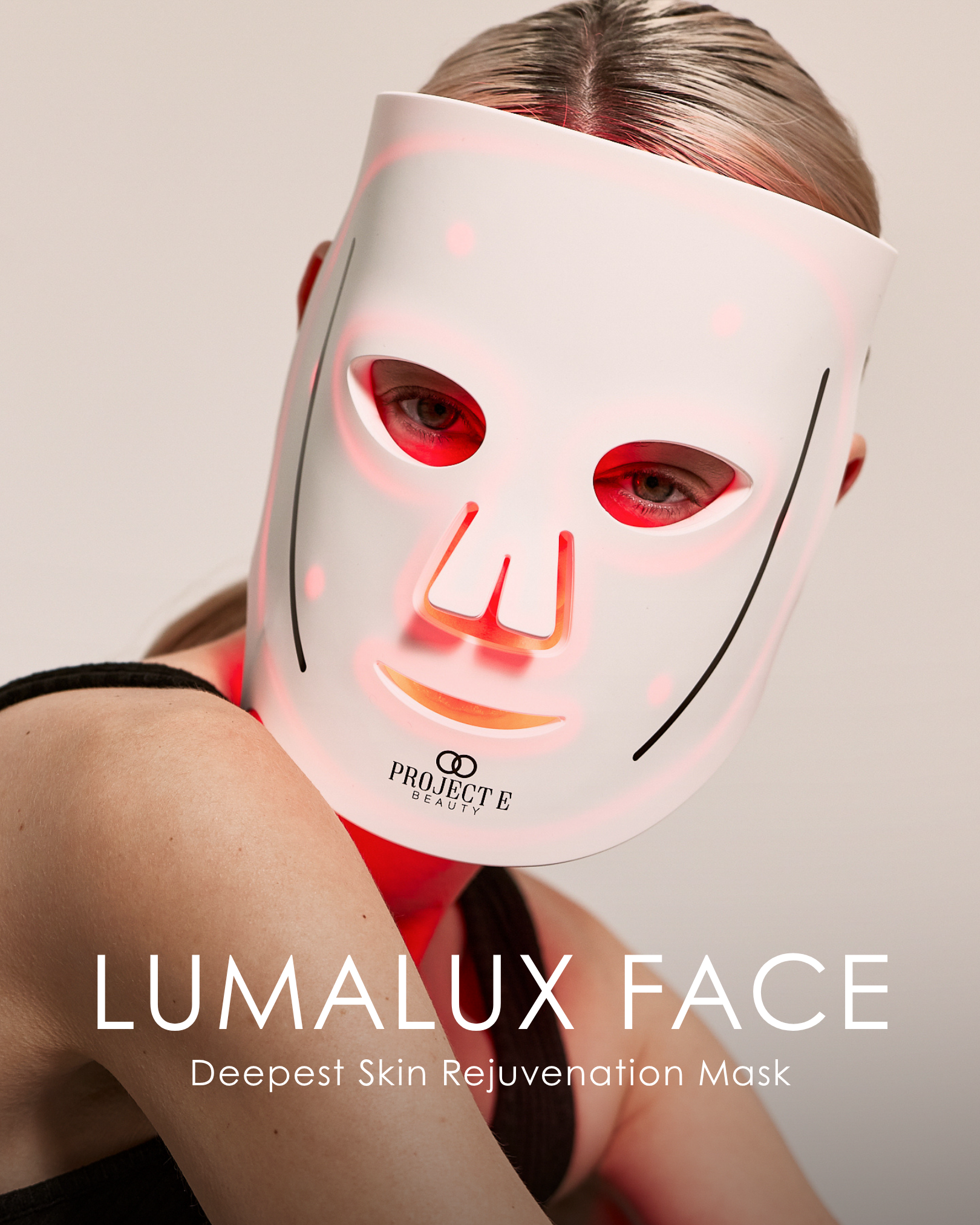
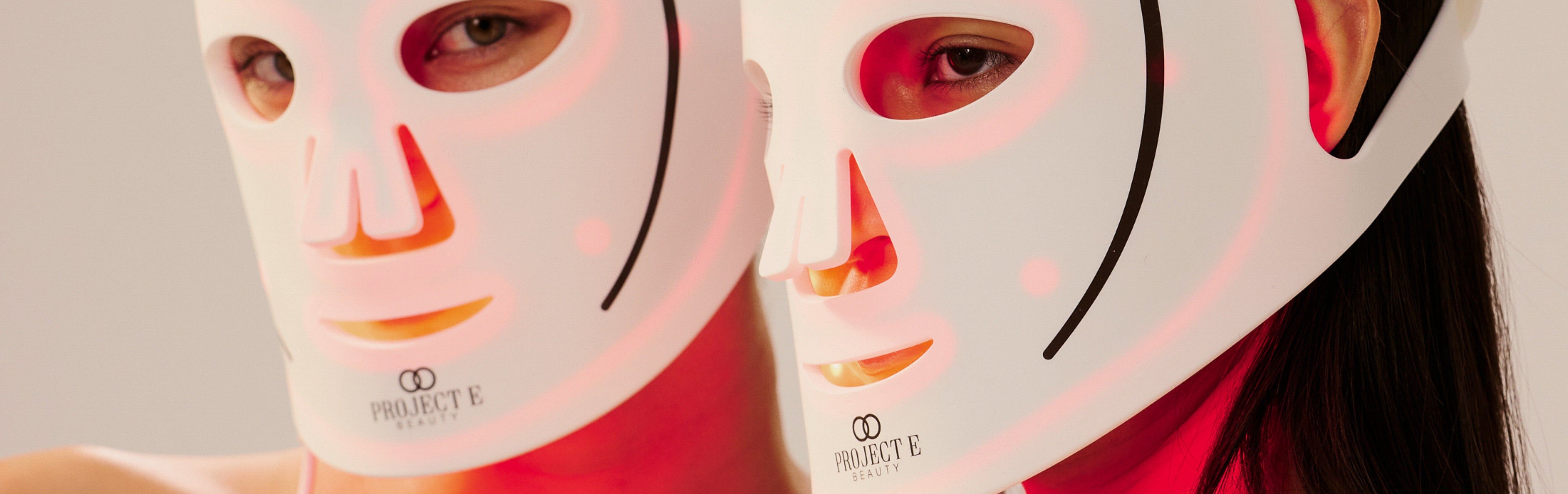
While some may visit a professional clinic for LED light therapy, others use at-home LED devices, such as the Alora Age Renewal LED Panel, LumaLux Dome and LumaLux Pro LED Red Light Therapy Mask.
We spoke to dermatologist, Dr Aiza Jamil, to understand if red light therapy can support tattoo recovery, or cause the body art to fade.
What Is Red Light Therapy?

Red light therapy, also known as photobiomodulation, is a non-invasive treatment that uses different light wavelengths, including red, blue and near-infrared light. These wavelengths penetrate the tissue, stimulate cellular functions and promote the body’s natural healing processes.
Cosmetologist, Dr Aiza Jamil, details: “Red light therapy primarily works by increasing ATP production by enhancing mitochondrial function, which reduces oxidative stress, improves circulation, modulates inflammation and influences pain signalling pathways.”
While red light therapy carried out by professionals in clinics is typically a stronger LED light treatment, at-home devices, such as the Alora Age Renewal LED Panel, LumaLux Dome and LumaLux Pro LED Red Light Therapy Mask, can also provide an effective treatment.
How Does a Tattoo Affect My Skin?
When you get a tattoo, a needle containing tattoo ink penetrates the dermis, which is a deeper layer of the skin. However, Jamil reassures us that “Well-healed tattoos are stable” and should not be impacted by RLT.
Benefits of Red Light Therapy on My Tattoo
While Jamil acknowledges that research around the benefits of red light therapy on tattoos is limited, she believes RLT may offer some advantages, especially considering the red light therapy benefits surrounding skin health, inflammation, wound healing and pain relief. She muses: “For healed tattoos, RLT can support overall skin health by promoting collagen and elasticity, as well as improve circulation and reduce mild inflammation or irritation around the area.” Jamil also suggests red light therapy “may help to reduce inflammation and support wound healing by promoting skin health” in new tattoos.
However, the cosmetologist recommends avoiding red light therapy for a fortnight after having the new tattoo. Sharing her advice on tattoo care, Jamil shares: “Even after the two weeks, I would start slow and watch for any signs of irritation or infection.”
How Can Red Light Therapy Help Prepare My Skin for a Tattoo?

Jamil acknowledges there is not enough evidence to support the impact of red light therapy to prepare the skin ahead of a tattoo, specifically. However, she notes that RLT devices, such as the Alora Age Renewal LED Panel, LumaLux Dome and LumaLux Pro LED Red Light Therapy Mask, “may improve your skin health and quality, which may help with healing and inflammation after having a tattoo.”
How Can Red Light Therapy Help with My Tattoo Healing Process?
Jamil highlights there is insufficient evidence to prove a direct correlation between RLT and tattoo healing. However, she makes a convincing case between tattoo healing and red light therapy, based on claims around the use of red light therapy for wound healing.
Speaking about tattoo recovery and red light therapy, she shares: “There is a potential that red light therapy can help with tattoo healing, as it can help improve the skin’s health and quality through collagen and elasticity. Consequently, RLT may reduce tattoo inflammation and redness, by supporting faster epithelial repair and reducing discomfort.”
Although RLT devices, such as Alora Age Renewal LED Panel, LumaLux Dome and LumaLux Pro LED Red Light Therapy Mask, feature adjustable settings and designed with user comfort in mind, it is advised to consider red light therapy as a supportive treatment, rather than a replacement for medical treatment if the tattoo is not healing well.
When Can I Start Red Light Therapy After I Get a Tattoo?
Although LED light therapy is a non-invasive treatment, Jamil suggests waiting for your tattoo to heal before using RLT. The dermatologist advises: “I would avoid using red light therapy for the first 48 to 72 hours after having a tattoo, as skin is particularly sensitive at this time and is essentially an open wound, so it could cause further damage, inflammation, pain and even infection.”
However, Jamil warns that healing for larger tattoos may take longer, and to avoid using RLT until any scabs or irritation from the new inking has reduced. She adds: “If you have any pain, inflammation, scabbing or oozing that you are concerned about, avoid using red light therapy until this has resolved.”
When your tattoo has healed and you wish to reintroduce RLT treatment, the expert recommends starting “very slowly”. She recommends: “Use around twice a week, and monitor each time for signs of irritation. For healed tattoos, you can use three to five times a week, depending on the device itself.”
Home devices, such as Alora Age Renewal LED Panel, LumaLux Dome and LumaLux Pro LED Red Light Therapy Mask, have been designed to be ultra comfortable, easy to use and effective on all skin types. However, some may prefer the Alora Age Renewal LED Panel or LumaLux Dome, which do not sit directly on the skin and may be better tolerated after a tattoo.
Side Effects of Using Red Light Therapy on Tattoo
Red light therapy is a safe and non-invasive treatment and generally “low risk”, says Jamil, as long as you use red light therapy tools that has been purchased from a reputable retailer, such as Project E Beauty’s Alora Age Renewal LED Panel, LumaLux Dome and LumaLux Pro LED Red Light Therapy Mask.
However, care must be taken when using red light therapy on tattoos, especially if there are signs of tattoo inflammation, or an open wound. The dermatologist warns: “Side effects of red light therapy are rare. However, if you use it too early on an open wound, such as a healing tattoo, you could cause further inflammation, pain and damage to the skin and even delay further healing.” If the tattoo area is “irritated, broken, inflamed or infected”, Jamil urges you to avoid RLT.
There are concerns the tattoos may fade after using red light therapy, but this is not the case. Jamil reassures us: “The colour of your tattoo won’t change the safety or effectiveness of red light therapy, and it won’t drastically change the appearance of tattoos.”
As always, we recommend not to overdo RLT.
Can I Use RLT When Undergoing Tattoo Removal?
Some may wish to remove their existing tattoo with laser removal. If that is the case, Jamil suggests using red light therapy with caution. She weighs in: “If using red light therapy when undergoing tattoo removal, you must be very careful with how and when you use it. It may help to improve skin quality in between sessions, but don’t use it straight after as it may cause further irritation and inflammation.”
FAQ About Using Red Light Therapy on Tattoos
Will red light therapy fade or damage my tattoo?
No, unlike UV light or lasers, RLT is non-thermal and non-ablative. Red light therapy (typically 630–850 nm) does not break down tattoo ink particles.
Can I use red light therapy to remove a tattoo?
No. Tattoo removal requires high-energy lasers that shatter ink particles. Red light therapy lacks the peak power and specific wavelength to break down ink.
Should I cover my tattoo during red light therapy?
No need to cover it, provided the tattoo is fully healed. RLT penetrates skin without heating or damaging surface pigment. Covering it wouldn't harm the tattoo, but it would block the light's benefits to the skin. If the tattoo is on a sensitive area (e.g., eyelid), follow eye protection guidelines.

LumaLux Dome | Face & Body LED Red Light Therapy Device
8 wavelength full body LED light therapy device for skin rejuvenation, fine lines, acne, muscle recovery and mood boost

Alora | Age Renewal LED Light Therapy Panel
Target up to 5 skin layers with advanced blue, infrared and red light therapy contour panel




Leave a comment
This site is protected by hCaptcha and the hCaptcha Privacy Policy and Terms of Service apply.